
Esit Traducciones blog
The Post-COVID 19 Logistic Crunch
Supply chains are withstanding shocks and logjams that translate into rocketing prices and disrupted inventories.
A case in point is logistics. Ocean freight rates have gone up over 460% in the last year. Too much demand for online shopping and quick deliveries. Also, thanks to cash aid consumable demand has kept quite high.
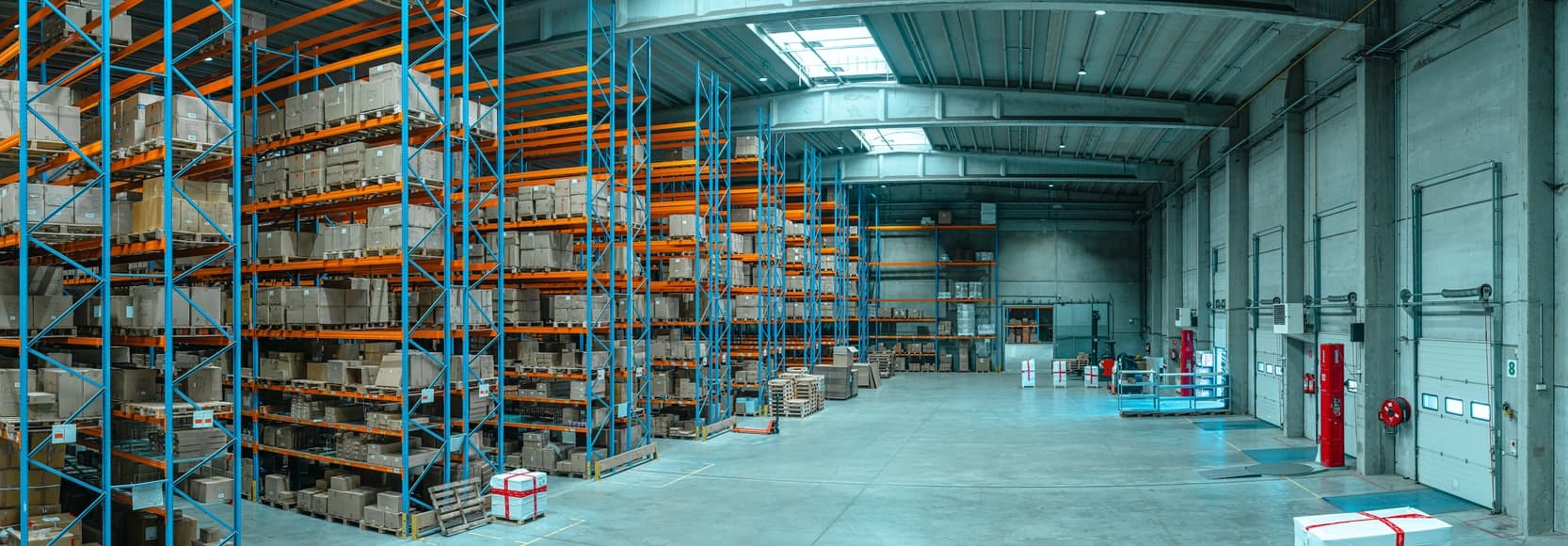
All this has meant too busy ports, too few ships, to few dock workers, too few truckers, and so on.
Besides, 80% of global shipping services are controlled by a handful of companies, which requires anti-monopoly actions to curb high prices, but that will take time.
Even the humble pallets are now paid dearly, since pallet costs have increased by 400% due to high demand and lumber price.
The system for global trade is too rigid with backlogs at every link in the chain, which accounts for slow recovery. Also, this is compounded by uncertainty, disruption and inflation likely to stay until around 2023.
Third-party logistic companies are responding to these uncertainties by applying new safety protocols among their workers, using alternative modes of transportation, such as chartered flights or trains, reallocating fleet to exclusively serve air-cargo demand, adapting to demand, particularly grocery deliveries.
Another solution lies on reconfiguring global supply chains by making them shorter or diversified, by adding warehousing or dry ports close to demand centers, so goods take less time to market.
More into the future, companies are planning to use more technology in the form of IoT, cloud computing, automation, data analytics to interpret trends ahead in time, robots, drones and autonomous vehicles.