
Esit Traducciones blog
Interpreters in Conflict Zones
The Case of Afghanistan
Interpreters provide their services everywhere and in all fields. Some of them are very dangerous. It is the work they do in conflict zones. It has happened in all wars, in all cultural clashes, in all large forced migrations.
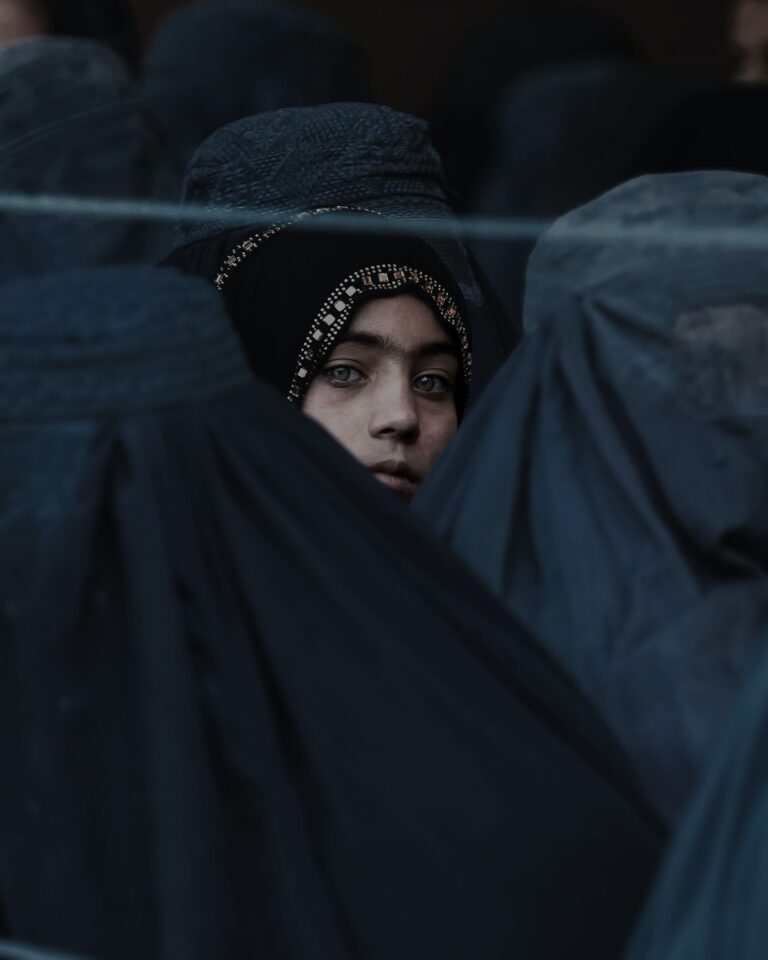
The case of Afghanistan today calls us to reflect upon the importance of protecting interpreters who, after having worked for NATO countries, are left behind to suffer the consequences of misunderstanding, hostility and even revenge against them and their families from the Taliban, the adversary force of the NATO countries. Undoubtedly, the first question that arises is why those countries were there in the first place and, although the answers are diverse and some are condemning and others are the opposite, one cannot accept their irresponsibility towards the country they leave, much less so to the people who worked for them.
We see countless cases of people who worked as interpreters for the United States, France, Germany, Spain. This irresponsibility is evident in many facts. Here are some examples. When an occupying force is going to leave a country it does not do so overnight, there are plans to implement that. It is clear that if the rescue of these people had been prepared in advance, many more could have been rescued.
President Biden himself has stated «We have got thousands of Afghan translators and interpreters and others who supported the United States out.» Although this phrase is true, we can also say that it does not truly describe the situation, since in the absence of planning there are no exact figures or a precise characterization of who to rescue. One of the problems related to this is that in the countries of destination voices are raised against accepting those who arrive on the grounds of security reasons, even if it is often simple xenophobia.
At the moment, they have entered under a “humanitarian parole” regime that allows foreigners to enter the country in exceptional circumstances, which is not the special immigrant visa (SIV) and which does not yet provide them with a clear determination for their future. Additionally, at the beginning of the year President Biden had not dared to raise the maximum number of refugees to be hosted in the country. And this is not something new, the SIV stopped accepting new applicants since 2008 and left out both Iraqis and Afghans who had already applied for it since then. A new 2020 special permit program, P2, has an unresolved application backlog of 106,000 Iraqis today. This only makes it impossible to help the thousands of Afghan interpreters who apply for entry, either through the SIV or the P2. They face much bureaucracy and a huge bottleneck.
The migration outcome is better in the United Kingdom, because refugees are given permanent residence and allowed to work, but they generally face the same uncertainty of not knowing how many people there are to help in total, and they recognize that thousands stayed behind. Something similar happens with France that promises to make a maximum effort to help in the days and weeks to come, but does not mention more definitive data. Those who worked for Spain, on the other hand, are now waiting for the Spanish government to comply with the offer to carry out the «discreet task» of continuing to help them out.
The fact is that many were unable to board any of the planes that left Kabul airport before the flights were closed, even with safe-conduct documents and today they face serious insecurity for themselves and their families.
Sources: Huffington Post, BBC News, AL-Monitor, El País, Washington Post.